


 817-236-8771

Guiding Growing Smiles With Confidence and Comfort
A healthy smile has the power to shape a child’s confidence, and early orthodontic care gives families a meaningful way to support strong growth during the most important years. At Lake Country Dental, Dr. Snider, atop dentist for all ages in Fort Worth, provides pediatricorthodonticsthat help young patients feel calm, safe, and excited about caring for their smiles.
If you’re ready to give your child a smoother, healthier path toward balanced oral development, our team is here to guide every step with clarity and compassion. Call 817-236-8771to schedule a visit and discover how earlychildren’s dentistryand orthodontics can positively shape your child’s oral health and smile. Families visit us from many nearby communities, including Saginaw, Keller, and Lake Worth.
Why Choose Dr. Snider as Your Child’s First Orthodontist?

Choosing the right orthodontist for pediatric dental care sets the tone for a lifetime of healthy smiles. AtLake Country Dentalin Fort Worth, TX, Dr. Snidercombines gentle care with deep knowledge of pediatric dental growth, helping young patients feel confident and supported throughout every stage of orthodontic treatment. A pediatric orthodontist has specialized training to help predict how a child’s teeth will develop, ensuring tailored care for each patient.
But don’t just take it from us; read somereal patient reviewsfor Dr. Snider:
- “I have been bringing my children here for a few years. They are absolutely wonderful, and even after some fillings and teeth extractions, my kids still look forward to their appointments! We love this place!” – Tory C.
- “My son and I have been going to Lake Country Dental for 15+ years and have never had a problem. They are attentive to our needs, have a great “chairside” manner and always tell me upfront how much any necessary treatment will be. The office is very clean and modern. I would highly recommend them to anyone needing dental care.”– Robyn K.
Parents appreciate Dr. Snider’s ability to explain complex concepts in simple, relatable ways, ensuring both children and their families understand the process and expected outcomes. From early evaluations to comprehensive treatment plans, each visit is designed to make your child comfortable, informed, and engaged in their own oral health journey. Orthodontic treatments can also address other health and wellness issues, such as thumb sucking or tongue thrust, providing a holistic approach to care.
What is Pediatric Orthodontics?
Pediatric orthodontics focuses on guiding a child’s developing teeth and jaw during the early years of growth. This approach helps identify alignment concerns, bite issues, and habits that may interfere with proper development. Early intervention can help prevent the need for major surgery or more comprehensive orthodontic treatment in the future. By paying attention to how the teeth and jaw change over time, families gain a clearer understanding of what their child may need as they grow and develop.
At Lake Country Dental, our local Fort Worth dentist uses child-friendly diagnostics to track changes, support healthy development, and help kids feel confident during every visit. Early orthodontic awareness often leads to smoother, more comfortable transitions into adolescence and adulthood.
How is Pediatric Orthodontics Different From Adult Orthodontics?
Children are still growing, which gives orthodontic care a unique advantage. Their jaws, facial bones, and eruption patterns are more adaptable, allowing guidance that simply isn’t possible once growth slows. This flexibility opens the door for treatments that help shape the bite, create room for incoming teeth, and reduce the need for complicated procedures later in life.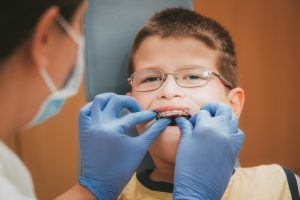
Adults, on the other hand, require orthodontic adjustments that focus on existing bone structure and long-term alignment. While both groups can enjoy straighter, healthier smiles, the timing and approach differ significantly.
Benefits of Routine Children’s Orthodontic Care
Routine orthodontic checkups offer meaningful advantages during the growth years. Some of the most valued benefits include earlier detection of issues and the opportunity to address them with targeted treatments. Common Phase I treatment options include palate expanders, space maintainers, and limited braces or appliances, which can set the stage for smoother development.
- Earlier detection of crowding or spacing concerns
- Guidance for proper jaw development
- Improved bite function and chewing comfort
- Reduction in the likelihood of future alignment complications
- Support for clearer speech and balanced oral habits
- Greater confidence during school-age years
Our Pediatric Orthodontic Treatments Near You
Metal Braces
Traditional metal bracesremain a reliable solution for many orthodontic concerns and are suitable for patients of nearly any age. Braces consist of brackets affixed to the teeth with wires threaded through slots, gradually shifting teeth into proper alignment over approximately 24 months. Children and teens visit Dr. Sniderevery few weeks to adjust their wires and track progress. Metal braces provide a proven, consistent method to correct alignment while minimizing complications.
Self-Ligating Braces
Self-ligating bracesoffer a modern approach to straightening unevenly spaced or crooked teeth. Using clear brackets and tooth-colored wires, Dr. Snidercan achieve noticeable results in as little as six months for appropriate candidates. Each device is custom-made to fit your child’s teeth, ensuring comfort and effectiveness. More severe orthodontic cases may require additional treatments, but self-ligating braces provide an affordable and visually appealing solution for many young patients.
Herbst Appliance Therapy
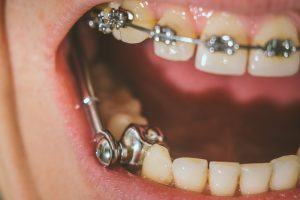
Herbst Appliance therapyis designed to improve jaw function by gently moving the lower jaw forward while slightly repositioning the upper jaw. This treatment is ideal for children between nine and 14 years old and typically lasts around 12 months, depending on individual progress. By supporting proper jaw alignment early, this therapy can prevent more complex issues later in life.
Invisalign®
For older children or teens seeking a discreet solution,Invisalign®clear aligners provide a fast and flexible option. These custom-made, nearly invisible trays straighten teeth efficiently while allowing patients to eat normally without worrying about damaging their appliance. Invisalign aligners can often achieve results in roughly half the time of traditional braces, making them a convenient choice for teens with active schedules.
Palatal Expanders
Palatal expandersare ideal for children around seven to eight years old who have overcrowded teeth. This appliance gently widens the roof of the mouth over about nine months, creating space for developing teeth and reducing the likelihood of future orthodontic complications. Treatment length can vary depending on your child’s individual needs, but the long-term benefits include better oral health and smoother dental development.
Retainers
After orthodontic treatment,retainersare essential to maintain results. Dr. Sniderprovides removable retainers that help teeth stay in their new positions. Children are typically instructed to wear their retainer for at least 20 hours a day, or as directed, to prevent teeth from shifting back. Consistent use helps protect the investment made through braces or aligners, securing a lasting, healthy smile.
What Should I Expect at My Child’s First Orthodontic Appointment?
A child’s first orthodontic visit or dentist appointment is simple, friendly, and focused on understanding. The appointment includes:
- A gentle conversation about your child’s dental history and daily habits
- Digital X-rays or imaging to visualize growth patterns
- Anexamination of tooth eruption, bite alignment, and jaw development
- A discussion of what’s happening now and what to watch for as your child grows
- Clear explanations of any recommended next steps
Kids often feel relaxed once they see how easy the process is. Parents appreciate the straightforward guidance Dr. Snider provides, along with the calm environment that helps even the most nervous children feel comfortable.
Practicing Good Orthodontic Health at Home

Healthy habits at home are an important part of maintaining a child’s developing smile. You can support orthodontic growth by encouraging:
- Daily brushing and flossing
- Limiting sticky or overly hard snacks
- A balanced diet that strengthens growing teeth
- Staying consistent with orthodontic instructions
- Attending routine checkups to track progress
Small, consistent actions can make a big impact during childhood. Families find these habits help children stay confident, motivated, and engaged in their orthodontic journey—especially when guided by the supportive environment created by Dr. Snider and the team at Lake Country Dental.
Frequently Asked Questions
Does insurance cover children’s orthodontic costs?
Coverage for orthodontic costs varies significantly depending on your specific dental insurance plan. Some insurance policies include a lifetime maximum benefit for orthodontics, especially when the treatment is deemed “medically necessary” (often related to severe bite problems like a crossbite or large overbite). Dr. Snider’s team at Lake Country Dental will gladly help you review your policy and maximize your benefits.
When should I take my child to the orthodontist?
The American Association of Orthodontists recommends that children have their initial orthodontic evaluation by age seven. At this stage, Dr. Snider can accurately assess emerging dental and jaw growth issues while the jawbones are still developing. If an issue is detected, the orthodontist may recommend early, interceptive treatment (Phase I), which is usually followed by comprehensive treatment (Phase II) during adolescence.
How long does my child need to wear braces?
The duration of orthodontic treatment varies widely depending on the complexity of the case, the type of appliance used (e.g., Phase I or Phase II), and the child’s individual rate of development. Phase I treatment, often involving appliances like expanders, usually lasts about 9 to 12 months. Comprehensive Phase II treatment (full braces) typically lasts between 18 and 30 months.
What foods should my child avoid with braces?
To protect the braces and prevent damage, children should avoid foods that are hard, sticky, or chewy. Examples include:
- Sticky/Chewy Foods:Caramel, taffy, gum, and soft candies.
- Hard Foods:Popcorn, nuts, hard candies, and ice (never chew ice!).
- Crunchy Foods:Hard, crusty bread, thick chips, and whole raw carrots or apples (these should be cut into small, manageable pieces).
Following these guidelines helps ensure that braces stay intact, keeping the treatment on schedule and preventing emergency visits.
Ready to Invest in Your Child’s Confident Future?
Imagine the confidence your child will carry throughout their teenage and adult years, all thanks to a foundation of excellent orthodontic care. At Lake Country Dental, Dr. Snider and our caring team are ready to guide your child through their smile journey, providing predictable and comfortable results.
Call ourFort Worth dental officeat 817-236-8771to schedule a consultation. We warmly welcome families from Fort Worth, Saginaw, White Settlement, and Benbrook to experience the difference compassionate pediatric orthodontics makes.


