817-236-8771

Palatal Expanders in Fort Worth, TX
Building a Strong Foundation for Your Child’s Smile
When a child’s upper jaw is too narrow, it can affect how their teeth come in, how they bite, and how their smile develops over time. Early orthodontic care can make a meaningful difference during these important growth years. At Lake Country Dental, our Fort Worth dentist provides palatal expander treatment designed to gently guide jaw development, create space for incoming teeth, and support healthier long-term alignment.
If you have concerns about your child’s smile development, call 817-236-8771 to schedule a consultation. We proudly welcome families from Saginaw, Keller, and Lake Worth, offering supportive orthodontic care close to home.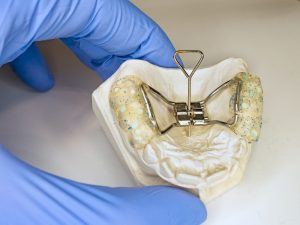
Why Families Choose Lake Country Dental for Comfortable, Trusted Care
At Lake Country Dental in Fort Worth, TX, patients choose our practice because care is built around relationships, communication, and long-term oral health—not just individual procedures. Our team brings decades of experience serving families across northwest Fort Worth, offering a calm and welcoming environment where patients feel heard and supported at every visit.
Our dentists focus on clear explanations and a gentle approach that helps both children and adults feel more comfortable in the dental chair. Many families stay with our practice for years because they appreciate consistent care, familiar faces, and a team that takes time to understand each patient’s needs.
What Is a Palatal Expander?
A palatal expander is an orthodontic appliance used to widen the upper jaw (palate). It works by applying gentle pressure over time, gradually increasing the space in the mouth. This process supports proper alignment of the teeth and improves the fit between the upper and lower jaws.
In many cases, early treatment can reduce the need for more extensive orthodontic work later in adolescence.
This treatment is commonly recommended for children experiencing:
- Crowded teeth
- Crossbites
- Narrow upper jaw structure
- Difficulty chewing or biting evenly
- Early signs of future orthodontic concerns
Why Early Jaw Development Matters
The early years of dental development play a key role in shaping long-term oral health. When the upper jaw is too narrow, it can lead to crowding, bite imbalance, and misaligned teeth as permanent teeth erupt.
Palatal expansion helps guide growth in a natural direction. Instead of waiting until all permanent teeth are in place, our Fort Worth dentist evaluates whether early intervention can create better spacing and alignment during a child’s developmental window.
Families often choose early orthodontic evaluation because it can help:
- Create space for permanent teeth
- Improve bite function and symmetry
- Support clearer speech development
- Reduce the likelihood of tooth extraction later
- Improve long-term orthodontic outcomes
Signs Your Child May Need a Palatal Expander

Parents often notice subtle signs before a child experiences obvious orthodontic issues. A consultation at Lake Country Dental can help determine whether expansion is appropriate.
Common indicators include:
- Teeth appearing crowded or overlapping
- Upper teeth biting inside lower teeth (crossbite)
- Difficulty chewing evenly
- Mouth breathing habits
- Narrow smile appearance
- Early loss of baby teeth with limited space for permanent teeth
Our dentist often evaluates these concerns during routine dental visits, helping families understand the best timing for early orthodontic care. Call 817-236-8771 to schedule your child’s orthodontic visit in Fort Worth today!
How Palatal Expander Treatment Works
Step 1: Digital Scans and Custom Design
Every child’s mouth is shaped differently, so treatment begins with a precise digital scan of the teeth and upper jaw. This technology replaces traditional messy impressions with quick, comfortable imaging.
These digital images are used to design a custom expander that fits your child’s mouth. The appliance is then created in a dental lab using strong, medical-grade materials designed for comfort and durability.
Step 2: Careful Placement in the Mouth
Once the expander is ready, our dentist gently attaches it to the upper back teeth. It sits securely and comfortably along the roof of the mouth.
Before leaving the office, we take the time to ensure that both you and your child understand how the appliance works. Most children adjust quickly within a few days as their mouths get used to the new sensation.
Step 3: Gentle Adjustments at Home
The expander includes a small center screw that is turned using a tiny key provided by our team. These turns are done at home on a simple schedule, usually once a day or every other day.
Here’s what happens during this phase:
- Gentle pressure is applied to slowly widen the upper jaw
- Your child may feel slight tightness or pressure in the mouth, cheeks, or nose area
- This feeling is temporary and usually fades within a few minutes
- Over time, you may notice a small gap forming between the front teeth, which is a normal sign that the jaw is expanding as planned
Step 4: Holding the New Jaw Position
Once the ideal width is reached, the turning stops, but the expander stays in place for several months.
This “holding phase” is very important. During this time:
- The jawbone slowly fills in and hardens in the new position
- The expanded space becomes stable and long-lasting
- The teeth begin adjusting naturally into better alignment
 The jawbone slowly fills in and hardens in the new position
Think of this stage as letting the body “set” the new shape, helping lock in the progress created during treatment.
Navigating Daily Life with an Expander
Keeping the appliance clean is a straightforward process. Regular brushing with a soft-bristle toothbrush around the metal bands and center screw is crucial to clear away food particles. Rinsing thoroughly with water after enjoying meals helps keep the palate clean and healthy.
We recommend staying away from sticky, chewy candies (like caramels or taffy) and exceptionally hard foods (like ice or hard nuts) that could potentially dislodge the appliance.
Frequently Asked Questions
Are palatal expanders painful?
Your child will experience a sensation of pressure following a turn, not pain. This mild pressure tells us the appliance is doing its job. Most children adapt fully to the presence of the expander within a few short days.
What age is too late for a palate expander?
The most effective window for expansion is generally between the ages of seven and 12. During this period, the midpalatal suture is typically more responsive in younger patients, allowing the jawbone to respond beautifully and comfortably to gentle widening pressure.
How long do palatal expanders stay on?
While the active turning phase often lasts only a few weeks, the appliance remains bonded to the teeth for roughly six to nine months. This holding period allows the newly formed bone to stabilize and mature within the expanded suture line.
Do you need braces after a palatal expander?
In many cases, patients will require braces or other orthodontic appliances following the use of a palatal expander. While the palatal expander helps create space and address specific dental issues, braces are often necessary to fine-tune tooth alignment and achieve optimal results.
Personalized Palatal Expander Treatment for Your Child
Your child’s smile is a reflection of their vibrant personality, and it deserves a strong, healthy foundation to grow into. Watching them struggle with crowding, speech shifts, or a misaligned bite can bring worry to any parent’s heart. We are here to guide you through every step with absolute clarity, exceptional warmth, and gentle care right here in Fort Worth, TX.
We invite families from Saginaw, White Settlement, and Benbrook to experience a welcoming, patient-centered approach to pediatric oral health. Call our Fort Worth dental office at 817-236-8771 to schedule a developmental consultation.